

November 25, 2025
Understanding the Complete Procedure of Law Enforcement During a DUI Crash
Drunk driving accidents change lives in an instant. When police respond, they follow a very specific process to secure the scene, identify impaired drivers, and gather the evidence needed for prosecutors. Understanding how law enforcement agencies handle driving under the influence cases can give you peace of mind if you or a loved one is ever involved.
At Carvalho & Associates, our accident attorneys have built a reputation for winning high-dollar and high-profile cases for injured victims of drunk drivers. We know how DUI cases move from the crash scene to the courtroom. Here’s how it typically works.
Immediate Response to the Scene
When officers arrive at the scene of a suspected DUI crash, they follow a methodical approach:
- Secure the Area – Law enforcement agencies block off traffic to prevent additional collisions and keep everyone safe.
- Call for Medical Help – Paramedics are dispatched to treat the injured. Even if your injuries feel minor, you’ll often be checked out by EMTs.
- Collect Initial Details – Officers take down driver information, insurance cards, and license plate numbers. They may also separate drivers and passengers to avoid conflicts.
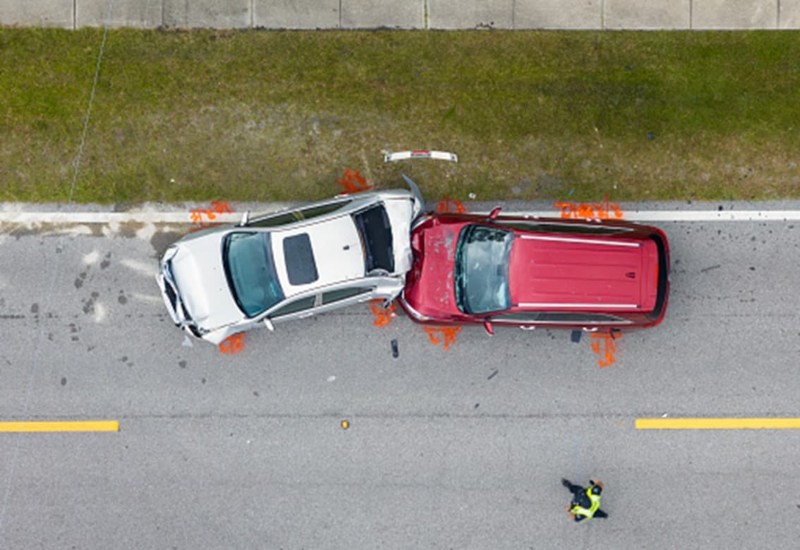
- Preserve Evidence – Police note road conditions, skid marks, and vehicle positions in their initial report. These details are critical in driving under influence cases.
Administering Chemical Tests
If law enforcement has probable cause to suspect impairment (due to failed field tests, odor, or admission of drinking), the driver will be asked to submit to chemical testing. There are three common types:
- Breathalyzer Test – This is the most common on-scene test. You blow into a handheld device that estimates how much alcohol is in the air a person breathes out. These devices give immediate results; however, they are not as accurate as blood tests. A very high breath test reading will usually lead to an arrest.
- Blood Test – Often considered the “gold standard,” a blood test is done by medical personnel at a hospital or lab. A sample is drawn to measure exact alcohol (or drug) levels in the bloodstream, also known as Blood Alcohol Content (BAC). When the blood is drawn is important for determining the reliability of the blood test. Analyzing blood tests take longer (results can take days) but are generally considered far more reliable in court if the blood is drawn in a timely manner. Police may take you to the hospital for this if you’re too injured to give a clean breath sample or if drugs are suspected. Note – In Nevada, anyone arrested for DUI must submit to either a breath or blood test under implied consent laws. Many commercial licensed drivers are required to submit to a blood test.
- Urine Test – This is less common for alcohol but is sometimes used if drug impairment is suspected. Urine tests can detect the presence of alcohol or drugs in your system, but they are not very precise for immediate intoxication. The sample can be easily contaminated, and results can be delayed, so officers usually prefer breath or blood tests. Generally, urine tests are a backup when blood tests are not available.
Documenting the Accident
Evidence collection is critical in drunk driving accidents. Police build the case with:
- Witness statements that support the timeline of events.
- Photos and videos of the crash scene, vehicles, skid marks, and injuries.
- Driver information, including licenses, registrations, and insurance records.
- Surveillance or dashcam footage that may show the crash or the impaired driver’s behavior.
This documentation strengthens both the prosecutor’s case and your claim if you’re a victim of a hit and run accident or a DUI crash.
Making an Arrest
If the evidence points to intoxication, police will place the impaired driver under arrest. Officers read Miranda rights, transport the driver to jail, and file a detailed arrest report.
In cases involving serious injury, death, or a fleeing driver, charges often escalate to felony DUI or hit-and-run. These cases carry severe penalties, and prosecutors pursue them aggressively.
Working With Prosecutors
After law enforcement finishes investigating, a government prosecutor will take over the legal side:
- Case Review – Prosecutors review the police report, witness statements, crash photos, and test results. In Nevada, as soon as a DUI arrest is made, the prosecutor examines the entire police report and chemical test outcomes. They check that procedures were followed correctly and evidence is solid.
- Filing Charges – Based on the evidence, the prosecutor decides which DUI-related charges to file. This could be misdemeanor DUI, felony DUI (for a death or multiple serious injuries), hit-and-run, vehicular manslaughter, etc. The prosecutor may also issue traffic citations as needed.
- Discovery – You (the defendant) and your lawyer are entitled to see the evidence (police reports, videos, lab results). This usually happens after charges are filed. The prosecutor is required to share key information from the law enforcement investigation.
- Coordination – Throughout the court process, police officers may work with prosecutors. Officers might testify in court about their findings, or gather additional evidence if directed. Law enforcement is essentially the prosecutor’s investigative arm.
Victim Support and Resources
While a criminal case is focused on imposing a fine or imprisonment, it can also result in ordering a convicted drunk driver to pay restitution to injured victims. However, the restitution available to injured victims through the criminal case is generally limited and may not cover all the past and future damages injured victims sustained. Restitution would not cover pain, suffering, lost enjoyment of life and future wage or income loss.
If you’re the victim of a drunk driving accident or a victim of a hit and run accident, you may be able to receive support from victim advocates, who can connect you with counseling, medical referrals, or compensation programs that cover things like lost wages and medical bills.
Still, no state program can fully cover the losses many families face. That’s why it’s so important to work with experienced Nevada personal injury lawyers. At Carvalho & Associates, our accident attorneys know how to use law enforcement’s evidence to strengthen your case and fight for maximum compensation. We serve clients throughout Summerlin, Henderson, Central Las Vegas, Pahrump, Paradise, and the Greater Las Vegas area.
Why You Need More Than Law Enforcement After a DUI Crash
Drunk driving cases are preventable, but they still happen far too often. Law enforcement agencies respond quickly, but their job is focused on the criminal side. Your recovery, your future, and your financial stability require more.
While government prosecutors prepare a criminal case against the drunk driver, personal injury attorneys, like Carvalho & Associates, will work on obtaining compensation for injured victims for all the injuries and damages the injured victim incurred. While criminal restitution is limited to past medical bills and past lost wages, personal injury attorneys can obtain compensation for future or anticipated medical bills, an amount for pain, suffering and lost enjoyment of life, and future wage or income loss.
There is another important difference between criminal cases against drunk drivers and a personal injury claim – while the criminal case is focused solely on the drunk driver, a personal injury attorney’s focus is obtaining as much compensation for the injured victim. This means that the accident attorney will conduct additional investigation to find others who also could be responsible for the drunk driver’s conduct and could be obligated to compensate the injured victim. For example, the employer of a driver who was drunk while on the job could be liable for all the damages caused by its drunk employee.
At Carvalho & Associates, we’ve built our reputation on winning serious, high-profile cases. If you or a loved one has been involved in a DUI crash, or if you’re the victim of a hit and run accident, call us. Our accident attorneys will stand with you, fight for you, and help you move forward.