

January 19, 2026
The weather dictates what you wear, affects your mood, and may increase your risk of a car crash. After all, a sudden downpour, gusty winds, or extreme heat can turn an ordinary drive into a risky situation. If you’re in a car accident caused by weather, it’s important to understand how these factors may influence your compensation.
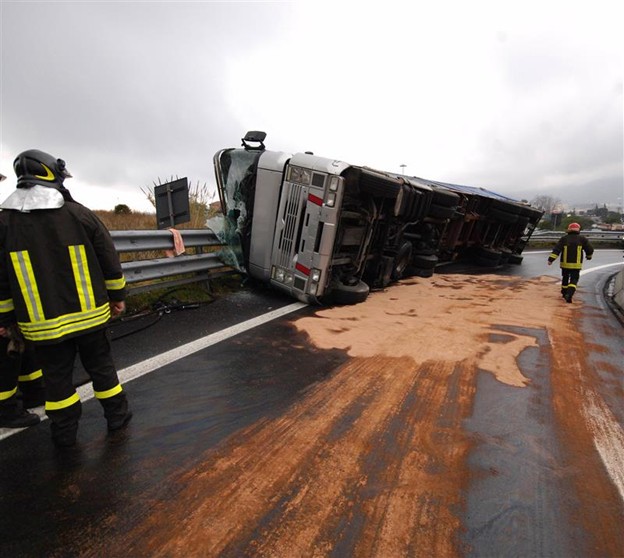
Common Weather Conditions Involved in Car Accidents
Las Vegas drivers face unique weather hazards. The following conditions make weather car accidents more likely and influence how your claim unfolds:
- Extreme heat: High temperatures can soften tires and overheat engines, increasing the risk of blowouts, loss of control, or vehicle failure.
- Rain: A heavy downpour during the monsoon season reduces traction and increases the risk of hydroplaning. Even a light drizzle can make desert roads slick within minutes.
- High winds: Strong gusts can push vehicles off the road or cause drivers to drift into adjacent lanes. Lightweight cars, motorcycles, and high-profile trucks are all at risk.
- Dust storms: Blowing dust can reduce visibility to near zero. Drivers may struggle to see traffic signals or vehicles ahead, increasing the risk of rear-end collisions and multi-car pile-ups.
Weather-related car accidents outside of Nevada may involve conditions rarely seen in Las Vegas, such as snow, ice, fog, and hail. These hazards cause traction loss, reduced visibility, and sudden driving challenges that often lead to major accidents. Las Vegas drivers who travel across state lines must remain aware of how quickly unfamiliar weather can affect braking, steering, and overall vehicle control.
How Weather Affects Liability in Car Accident Cases
Weather influences car accident liability, but it rarely eliminates all responsibility. After all, drivers are expected to adjust their behavior to match the conditions, and failing to do so may shift the blame back onto them. Yet insurance companies may still argue that the weather alone caused the crash in an effort to reduce what they owe.
That’s why you need a weather-related car accident attorney to investigate the scene, review maintenance records, and analyze driver actions to show where human error contributed to the collision. Here are the shortcomings they look for in the other driver when building your case:
- Failure to drive safely for the conditions: In stormy weather, drivers must slow down, increase their following distance, and remain vigilant. Failing to make these adjustments strengthens your claim against the at-fault driver.
- Improper vehicle maintenance: Bald tires, worn brakes, and burned-out headlights increase the likelihood of weather-related car accidents. When maintenance issues contribute to a crash, liability may fall on the vehicle owner.
- Ignoring weather advisories: Drivers who proceed during dust storm alerts, flash flood warnings, or road closures may be found negligent for driving in unsafe conditions.
- Lack of proper lighting: Failing to use headlights during rain, fog, or dust storms reduces visibility for everyone. This oversight may be a factor when determining car accident liability.
- Commercial driver violations: Truck drivers must follow strict safety rules. Ignoring these standards during severe weather can affect the liability analysis of commercial vehicle crashes.
Steps to Take After a Weather-Related Accident
Weather complicates car accident insurance claims because conditions can shift quickly, evidence can disappear, and memories can fade under stress. Take these steps to strengthen your claim, protect your health, and preserve the details:
- Move to safety: The very first step is to relocate to a secure area away from traffic or hazards. If your vehicle is drivable, move it off the road. If not, get yourself to safety to reduce the risk of further injury.
- Call emergency services: Reporting the accident creates an official record and ensures medical help arrives promptly. An early police response also includes weather conditions in the report before things shift.
- Take photos and videos: Images of water-logged potholes, debris in the road, tire marks, or dusty conditions demonstrate how the weather influenced the crash. Your attorney will consider these factors in their investigation.
- Exchange information: Collect names, phone numbers, insurance information, and license plate numbers so your attorney has accurate data to work with.
- Report the claim promptly: Provide your insurer with clear, basic facts while avoiding speculation or accepting blame. This keeps your claim on track and prevents confusion later in the process.
- Speak with a weather-related car accident attorney: Legal guidance helps you manage the challenges that follow a serious crash. An attorney can preserve critical evidence, communicate with insurers, and pursue the strongest possible recovery.
Talk with Our Las Vegas Car Accident Attorney
Carvalho & Associates Attorneys at Law has served personal injury victims since 1995. Over the years, we have become one of the most well-respected legal teams in Las Vegas, supported by abundant resources and a record of high-profile case wins. Clients travel from across the state to enjoy top-notch representation. To discuss your potential recovery following a weather car accident, please schedule a free initial consultation today.
FAQs
How soon should I contact an attorney after a weather-related accident?
Contact an attorney after you receive medical care and are safe to do so. Early legal help preserves time-sensitive evidence and supports your claim.
Can weather alone cause an insurance company to deny my claim?
Insurers may argue that the weather created unavoidable hazards. An attorney helps counter this narrative by showing how the other driver failed to act responsibly under the conditions.
Do weather-related car accident cases take longer to resolve?
These cases sometimes involve disputed liability and longer investigations. The settlement timeline depends on the complexity of the crash and whether insurers are willing to cooperate.
What if the other driver says they couldn’t see because of bad weather?
Poor visibility does not relieve them of fault. Drivers must adjust. This means slowing down, using headlights, and deciding when to pull over until conditions improve.
Will my insurance rates go up after a weather-related crash?
Rate changes depend on your insurer, your policy, and who’s found liable. An attorney helps protect your rights by guiding the process and advocating for a favorable outcome.